Make Climate Visible
Give visitors working systems they can operate, observe, and talk about instead of another interpretive sign they may pass without engaging.
Turn your outdoor space into a climate learning destination your team can actually run.Climate Learning Systems combine durable outdoor stations with ready-to-use workshops and learning materials. Visitors can pump water, follow rainwater, compare energy, observe data, and understand climate resilience through repeated public use, while your staff, educators, docents, and volunteers get clear tools for facilitating the experience.
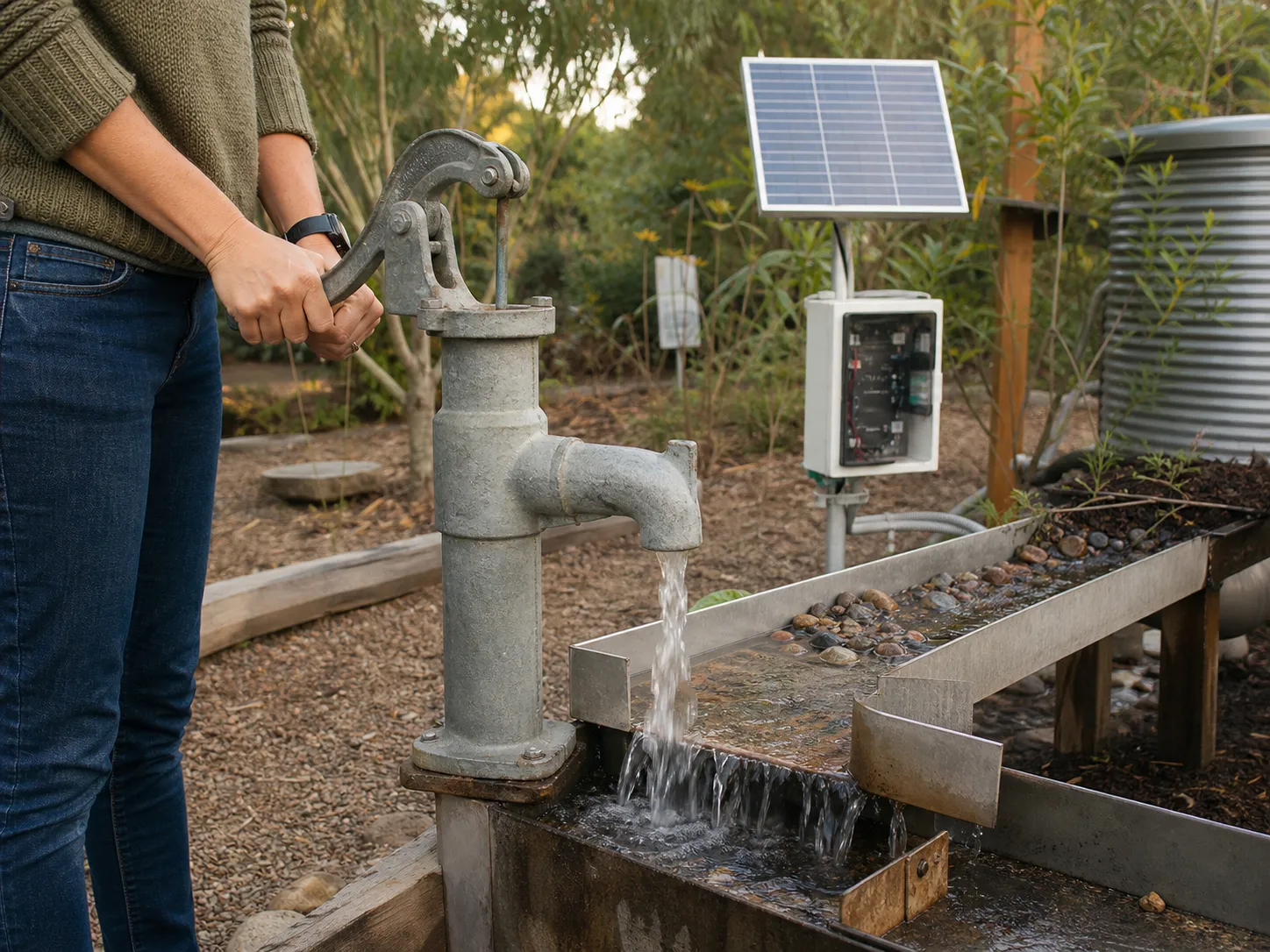
Durable public infrastructure with repeatable programs, prompts, and facilitator support
Why Organizations Choose Them
Gardens and nonprofits are often asked to educate the public, serve school groups, support volunteers, and show measurable community benefit. Climate Learning Systems turn existing outdoor space into a practical learning asset built for those real operating needs.
Give visitors working systems they can operate, observe, and talk about instead of another interpretive sign they may pass without engaging.
Create a fundable, visitor-ready asset for field trips, docent tours, outdoor classrooms, volunteer training, and public programming.
Help donors, board members, partners, and grant funders see your education mission expressed through real water, energy, habitat, and sensor systems.
Design for public interaction, outdoor durability, maintenance access, and staff capacity so the station keeps working beyond opening day.
The Physical Station
The station is the lesson: water moves, sensors respond, energy is produced, plants change, and visitors connect each action to the larger climate story. Interpretation supports the system instead of replacing it.
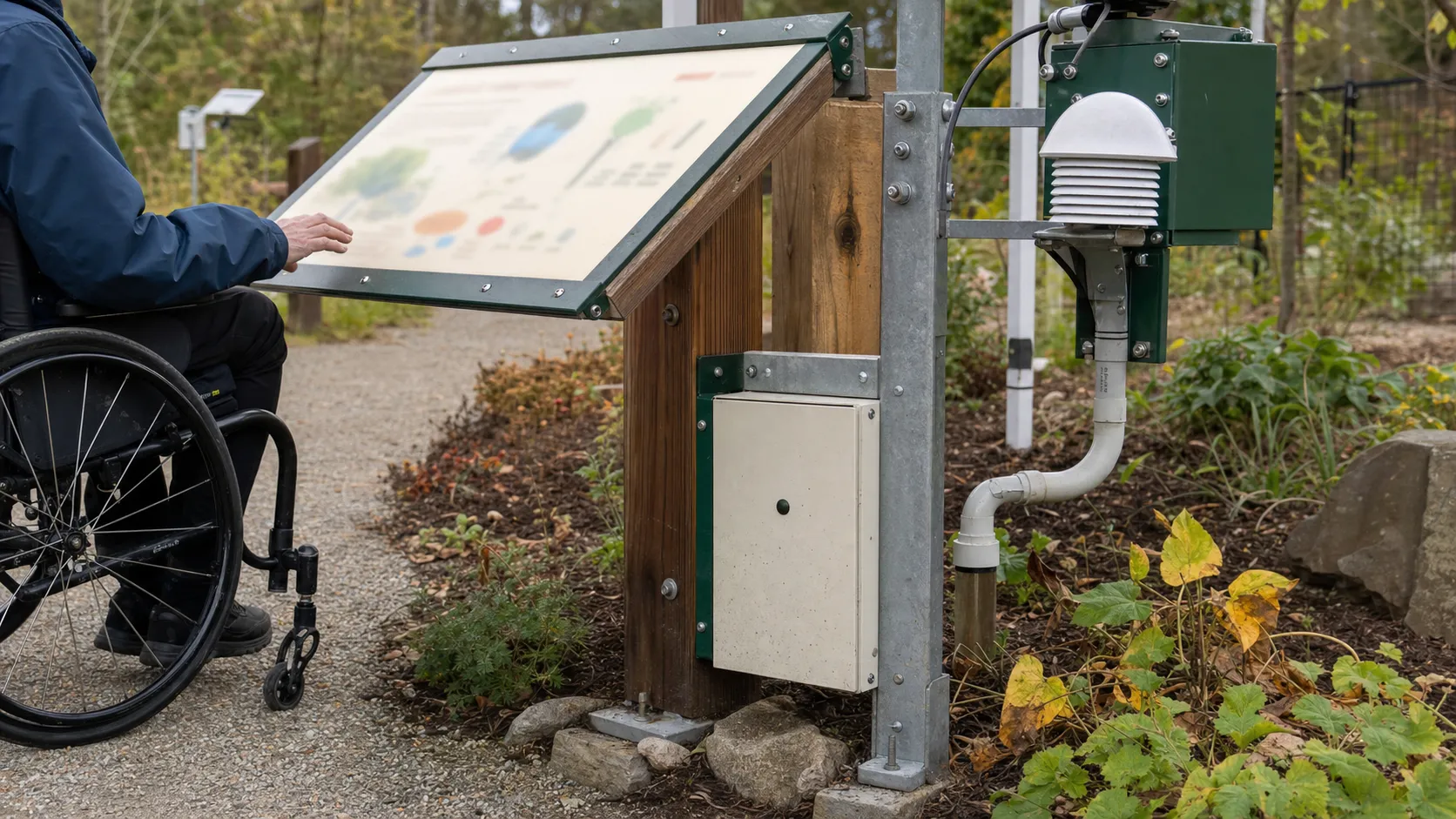
Every station is planned around public interaction, outdoor durability, accessible visitor use, maintenance access, staff capacity, safety, and long-term operating costs.
Examples May Include
Infrastructure That Teaches
Stations can combine water, energy, landscape, and environmental monitoring into one practical public learning environment where people do more than read.
Show how renewable energy powers practical site functions, then let visitors compare production, storage, and use.
Make rainwater capture, storage, pumping, and irrigation understandable through visible, touchable outdoor infrastructure.
Connect native planting and ecological design to visible changes in shade, pollinators, soil, and seasonal landscape performance.
Turn monitoring into public learning by showing real site conditions and how they change over time.
Built for Real Organizations
Every Climate Learning Station is planned around the realities of public outdoor spaces: weather, repeated use, staffing limits, safety, accessibility, and maintenance.
The goal is not just to install something interesting. It is to create something your organization can keep using after opening day.
The Program Layer
Workshops and learning materials reduce the burden on staff by turning the station into a repeatable program asset. Activities, prompts, talking points, facilitator guidance, and low-prep formats help teams guide hands-on learning with confidence.
Facilitation-ready lessons that help students observe, test, and discuss real climate infrastructure with minimal setup.
Practical guides and talking points that help new facilitators lead station tours, garden activities, and public demonstrations.
Repeatable workshop formats for libraries, makerspaces, community events, and seasonal outdoor education calendars.
Workshops & Learning Materials
Program materials turn the installed system into a repeatable learning asset, so staff and volunteers can lead activities without building a new lesson from scratch each time.
If your team needs a closer look at workshop formats, facilitation support, or standalone programming, the workshops page explains that layer in more detail.
Explore workshops and learning materials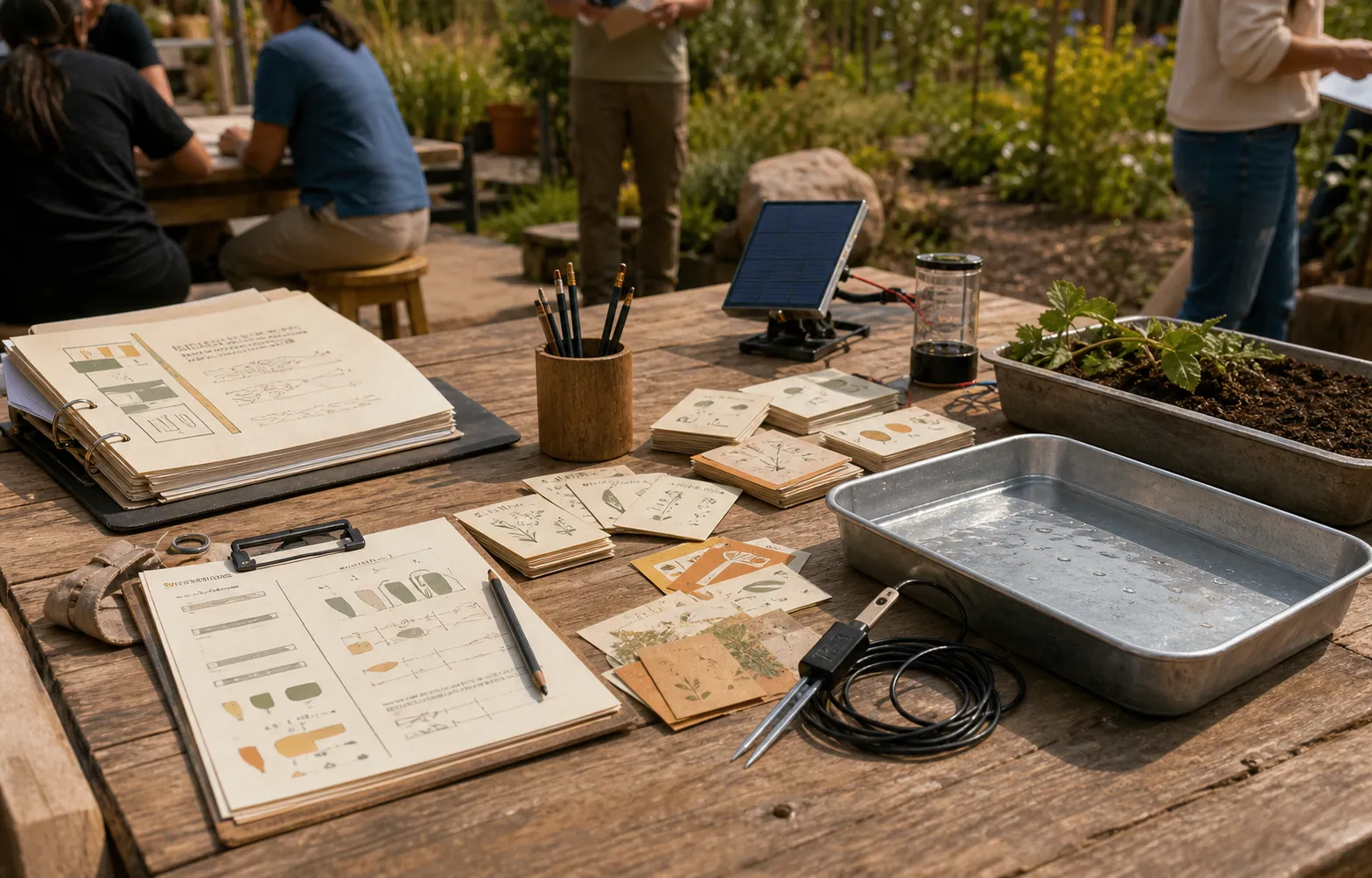
Built for Repeat Use
Each program is designed so teachers, librarians, docents, and volunteers can guide hands-on learning without heavy preparation.
Use them with Climate Learning Stations or as standalone activities for existing gardens, patios, classrooms, and community spaces.
Designed for Low Prep
The materials should account for real staffing constraints: clear setup, low prep, repeatable instructions, adaptable activities, and guidance that works even when facilitators change.
The program layer helps the station support scheduled programs, self-guided use, volunteer training, and public events without requiring staff to rebuild the experience from scratch each time.
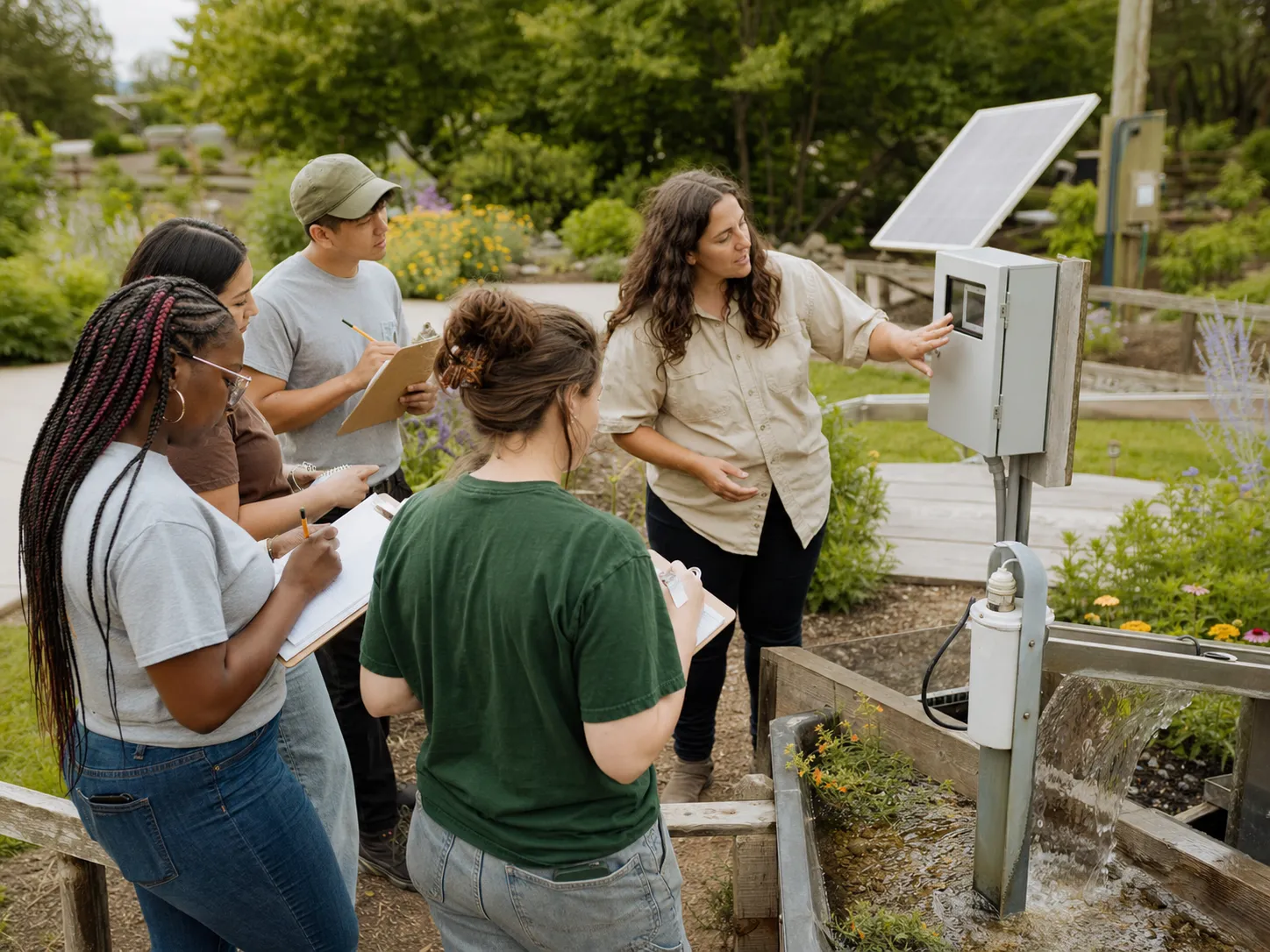
We package activities, prompts, and facilitator guidance so your team can spend less time preparing and more time helping participants observe, build, test, and ask better questions.
Built for Your Facilitators
Each format is created for the staff, educators, and volunteers who need clear instructions, adaptable materials, and activities they can run more than once.
Ready-to-use activities that lower prep time and make climate resilience easier to facilitate again and again.
Flexible programs for library patios, makerspaces, summer learning, and public events that work without a custom curriculum build.
Repeatable training materials that help facilitators explain systems, guide activities, and support visitors with confidence.
Low-prep workshops that fit field trips, public programs, school gardens, and outdoor education programming calendars.
Designed Around Learning
The same system can serve structured teaching, docent interpretation, family exploration, volunteer training, donor visits, seasonal workshops, and public programming without needing a staff member beside it every hour.
Offer simple prompts that invite people to pump water, trace where rain goes, compare energy sources, and notice changes in nearby habitat.
Support outdoor education with observable systems students can measure, discuss, and connect to climate, ecology, engineering, and stewardship.
Give guides a durable teaching anchor for tours, seasonal demonstrations, stewardship days, and conversations with first-time visitors.
Create a flexible platform for workshops, summer camps, family days, donor visits, partner events, and grant-funded public education.
Why Design Them Together
Designing the station and program layer together keeps tours, activities, prompts, and self-guided visitor moments connected to the same physical climate story.
Grow Over Time
Many organizations begin with one visible, grant-friendly station, then expand into a larger outdoor learning area as partnerships, curriculum, and funding mature.
Start here
One visitor-ready demonstration for a garden, library, school, or nonprofit site.
Recommended
A stronger station with prompts, facilitator materials, and repeat programming support.
Expandable system
A larger connected experience for trails, multi-zone outdoor classrooms, or phased campus development.
Ideal For
Climate Learning Systems work especially well where community learning, stewardship, grant outcomes, and visible infrastructure can reinforce each other.
Next Step
Start with one site, one primary audience, and one practical learning goal. We can help shape a durable, fundable climate learning system with the station, prompts, facilitator materials, and programming support needed for repeated public use.