Pick the right materials without starting from a blank page
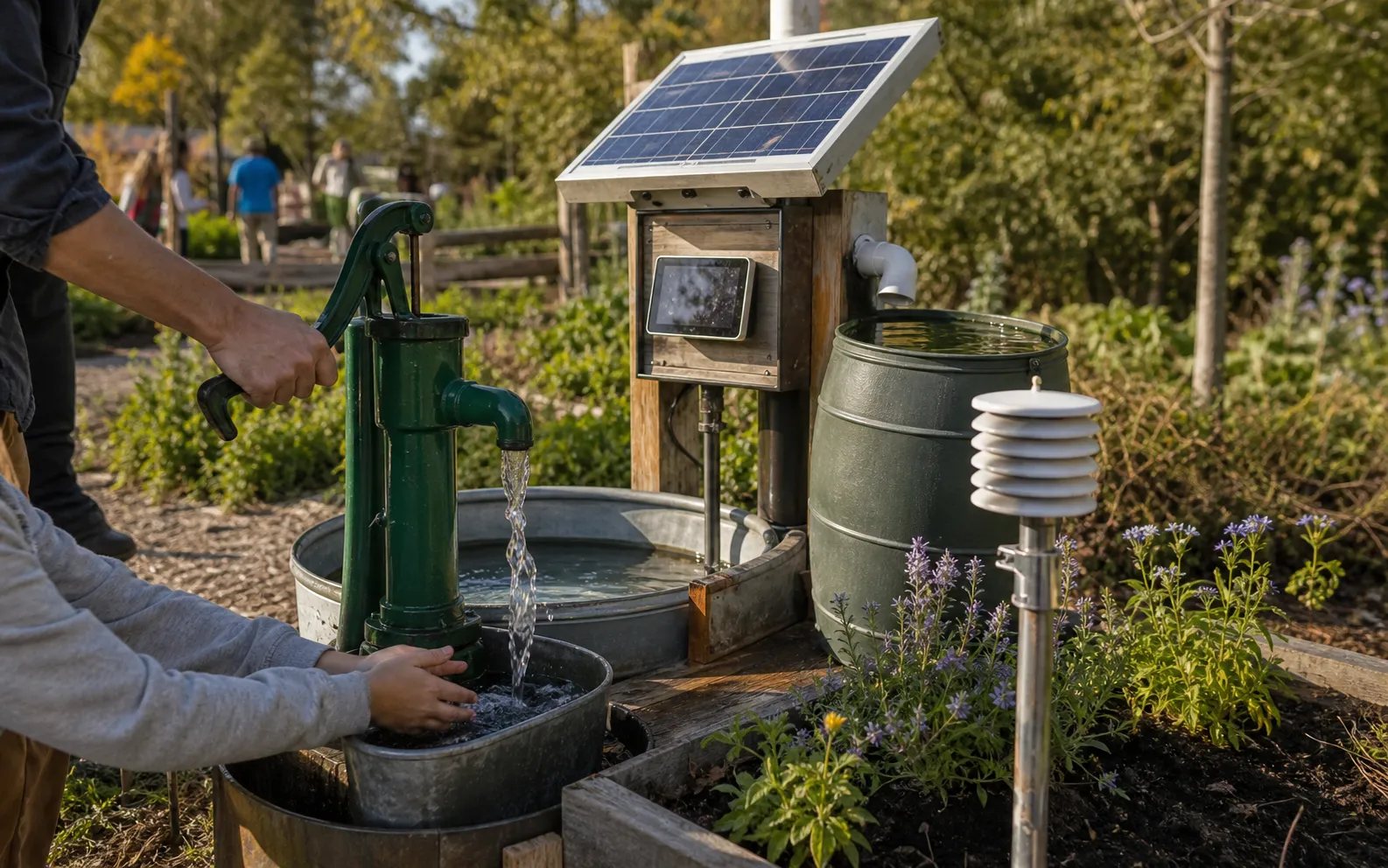
Make climate resilience tangible.
We build durable, hands-on climate exhibits for community gardens, environmental nonprofits, outdoor educators, schools, and libraries, so people can see, test, maintain, and explain real resilience systems..
Why it matters
People support what they can understand in place.
Climate work is easier to fund and teach when visitors can see a system working, not just read about one.
Living Climate helps gardens, schools, libraries, and nonprofits turn climate ideas into public learning moments with a clear next step for staff and visitors.
Find the right first step for your site.
Use the resource pack to move from a long list of climate links to materials your team can act on. You will be able to choose what fits your setting, adapt it for signage or workshops, and explain a practical next step to partners or funders.
Adapt them into a sign, workshop activity, or site-planning handout
Share a clear first step with your team, partners, or funders
Build from there
Turn learning materials into a working public exhibit.
Connect energy, water, sensors, and planting into one durable system visitors can use.
Pass-through into follow-through
Make underused outdoor space do more.
Trailheads, entrances, plazas, paths, setbacks, and waiting areas already shape how people experience a site. Living Climate helps you turn those pass-through spaces into follow-through with self-guided climate learning stations that visitors can notice without adding staff overhead.
Trailheads that teach
Improve self-guided interpretation at trailheads, entrances, and garden edges.
Plazas with public value
Make plazas, setbacks, and public edges show visible community benefit.
Campus paths with purpose
Turn paths and courtyards into teaching, tour, and campus-life assets.
Waiting areas with context
Make waiting and transfer areas more informative and climate-aware.
Workplace landscapes people notice
Make sustainability visible in everyday employee and visitor circulation.
Paths
Choose the smallest useful way to make climate visible.
Use the resource pack to orient first, then shape an exhibit, workshop, or installation plan.
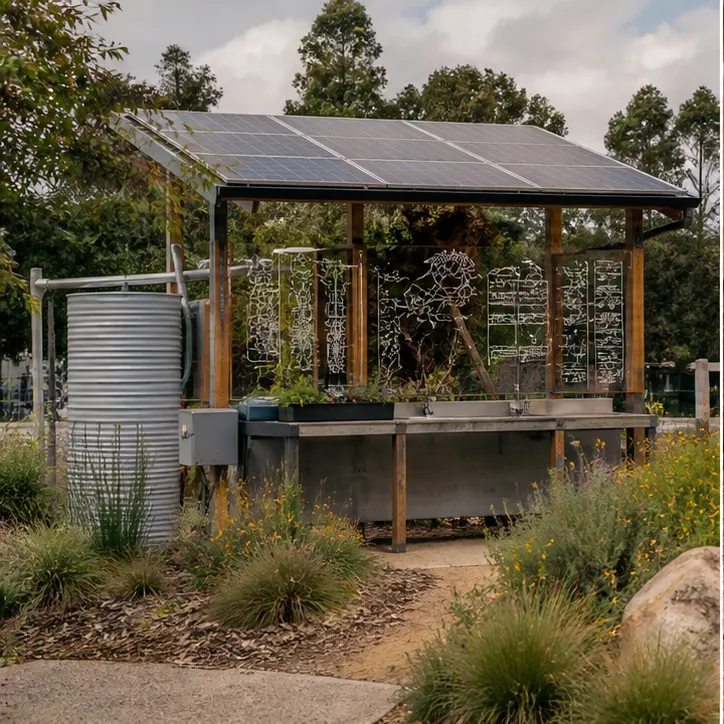
Grant-Friendly Climate Exhibits
Working public stations that combine energy, water, sensors, and planting.
- One clear public benefit
- Durable interactions
- Signage and prompts
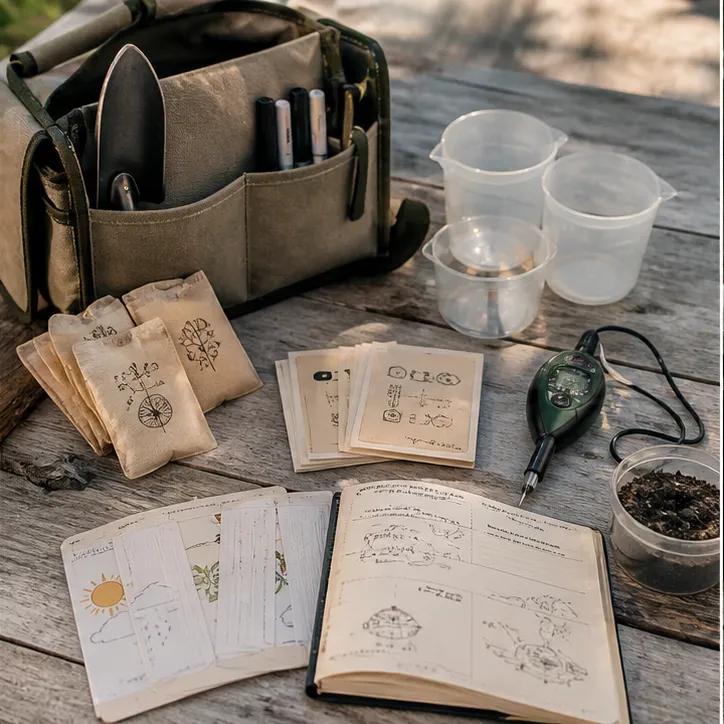
Real-World STEM Programs
Low-prep activities that help educators use the installed system.
- Reusable activities
- Field trips and workshops
- Volunteer programming
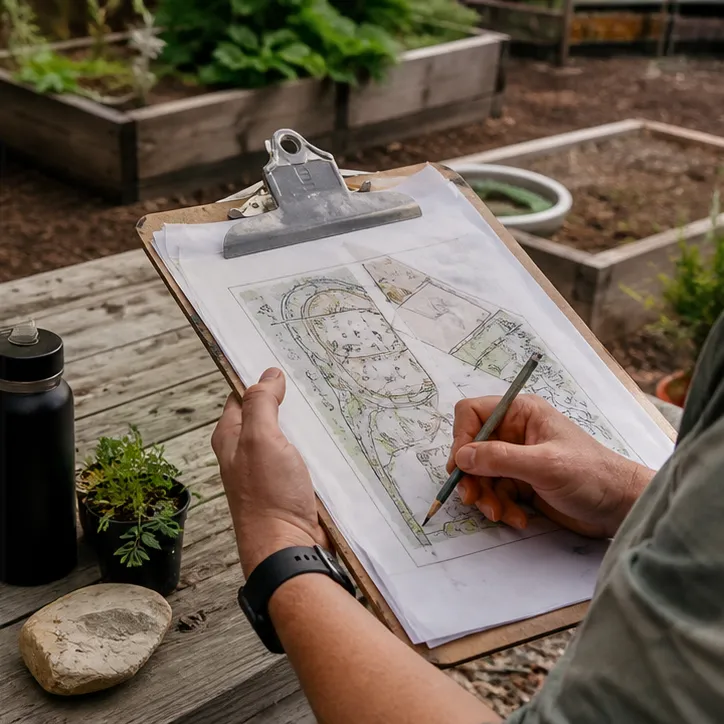
Low-Lift Design & Installation
Planning support for sites that need practical systems built for real use.
- Site-specific exhibit design
- Outdoor space planning
- Installation support
How it works
Orient. Design. Install.
Start with resources, then decide what your site can support.
- 01
Orient
Use the resource pack to clarify audience, setting, and first learning goal.
- 02
Design
Shape one durable exhibit or program around your site and capacity.
- 03
Install
Launch a public system with clear prompts, maintenance access, and STEM use.
Start here
Get the resource pack, then choose the right next step.
Use the pack to screen ideas before committing staff time, funding, or site changes.
A useful first project often combines one visible system, one simple visitor action, and one repeatable learning prompt.